Tel: (+39) 055 / 29 46 80 | Email: info@galilei.it



Course of modern etiquette and communication
- Home
- |
- Course of modern etiquette and communication

MINISTERO DELL’ISTRUZIONE,
DELL’UNIVERSITÀ E DELLA RICERCA
ITALIAN COURSES
COOKING, ART & CULTURE
TRANSLATIONS
LAST MINUTE
ENROLLMENT
ITALIAN LANGUAGE TEST
Among Italian language schools for foreigners, the Galilei Institute is unique in its exclusive specializing in one-to-one, personalized, full immersion courses specifically designed for professionals and students. Established in 1985, the Galilei Institute attained the highest prestige among language schools in Italy by providing its services to the leading companies of the world. Please take a moment to review our list of clients.
Among Italian language schools for foreigners, the Galilei Institute is unique in its exclusive specializing in one-to-one, personalized, full immersion courses specifically designed for professionals and students. Established in 1985, the Galilei Institute attained the highest prestige among language schools in Italy by providing its services to the leading companies of the world. Please take a moment to review our list of clients.
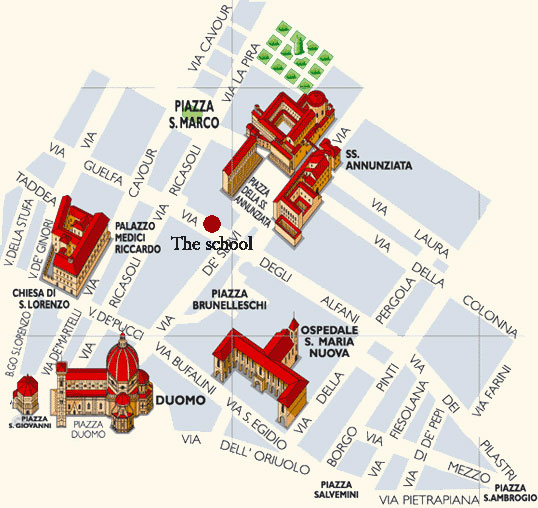
Location of the school
modern etiquette and communication course
MODERN ETIQUETTE & CULTURE OF COMMUNICATION
about our course of modern etiquette and communication
This course of modern etiquette and communication is designed to develop confident, respectful, and socially intelligent individuals who can navigate personal, professional, and public environments with ease. Through interactive lessons, discussions, and practical exercises, participants will acquire the essential skills.

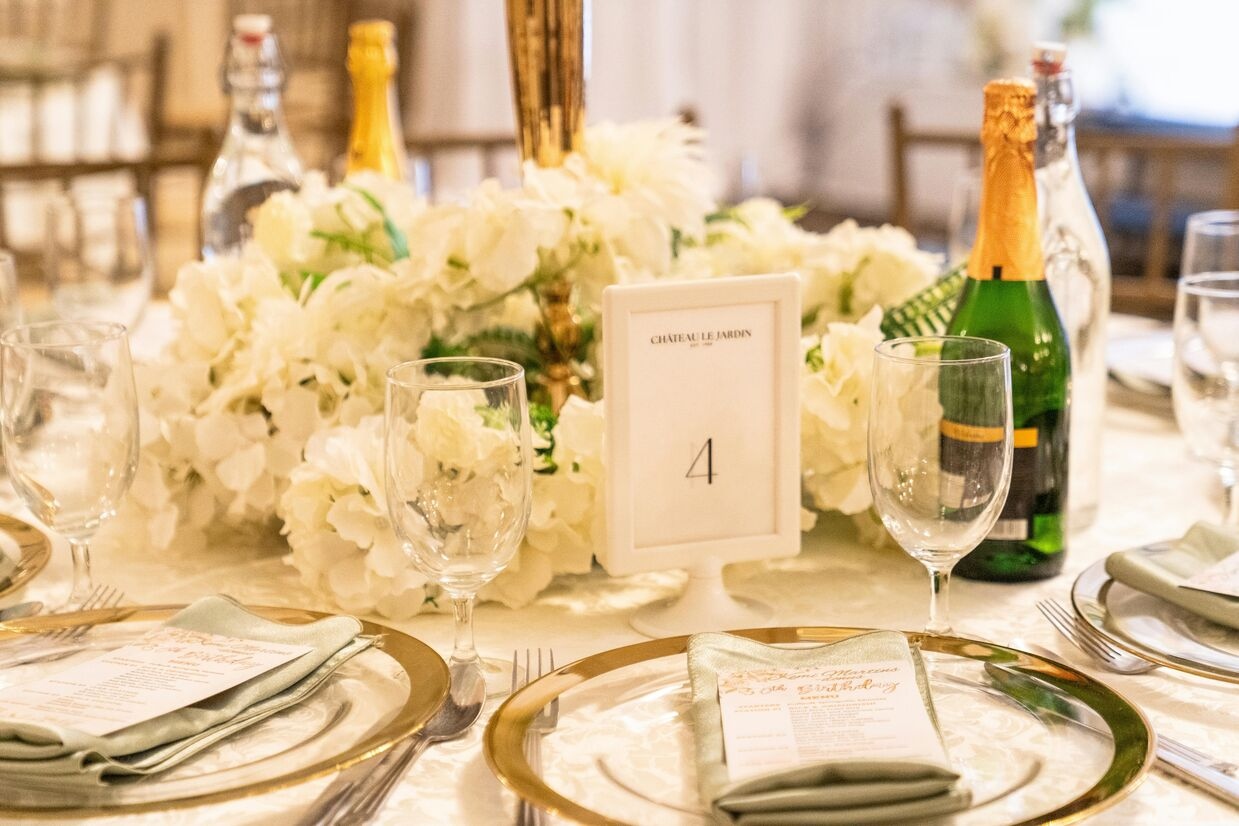
Why study the modern etiquette?
Knowing business etiquette helps you make a professional impression, communicate clearly, and build strong working relationships. It reduces misunderstandings, boosts your credibility, and helps you handle meetings, teamwork, and challenging situations with confidence. In short, good business etiquette supports both personal success and a positive workplace environment.
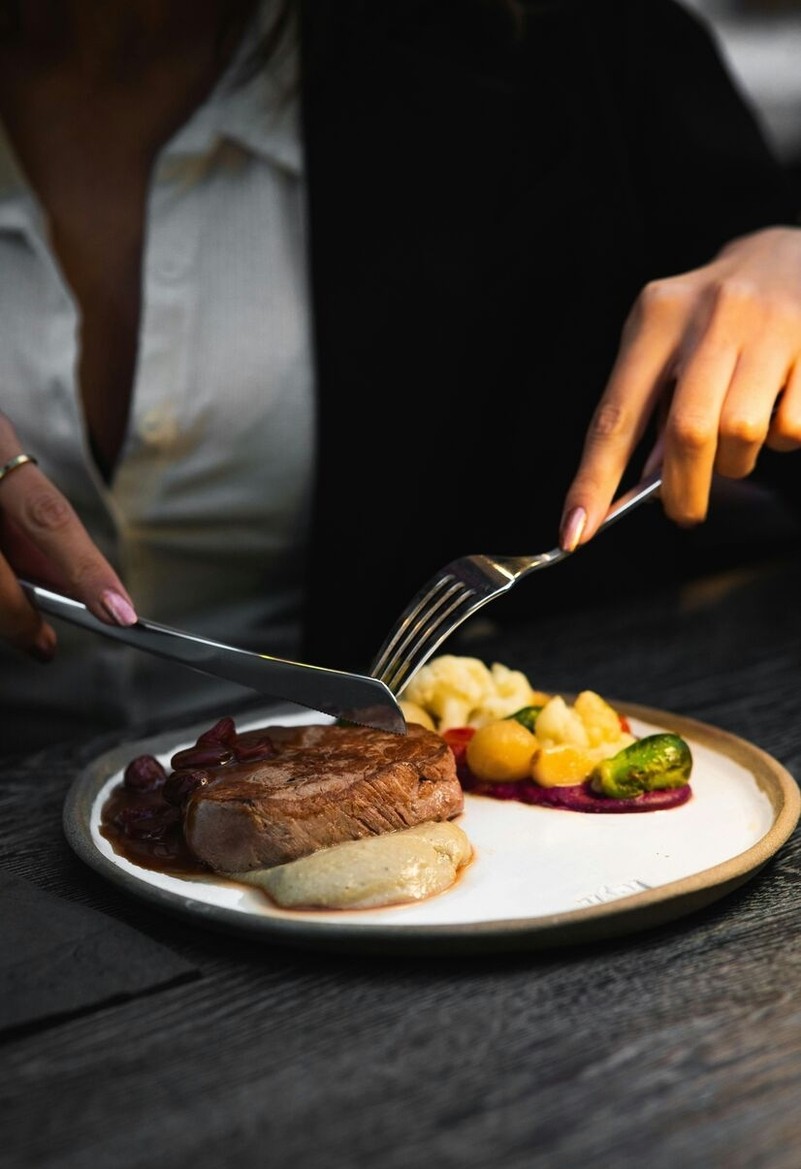
Knowing dining etiquette helps you feel confident and comfortable in any dining situation—whether it’s a business lunch, a formal event, or a social gathering. Dining etiquette is also useful in professional settings, where meals are often tied to networking, interviews, or relationship-building. When you know how to navigate the table gracefully, you can focus on the conversation and the people around you, rather than worrying about what to do next.
Knowing dress code etiquette helps you present yourself appropriately for different situations and settings. It ensures your appearance aligns with the occasion—whether professional, formal, or casual—showing respect for the event and the people around you.Good dress code etiquette also boosts confidence, creates positive first impressions, and supports your credibility in both social and professional environments.
COURSE OF MODERN ETIQUETTE AND COMMUNICATION: MODULES & SYLLABUS
Our course of modern etiquette and communication is composed by seven modules. You can study each of them or to choose some that suit more your needs or personal interest.
| MODULES | TOPICS |
| Module 1:
Foundations of Communication & Etiquette |
|
| Module 2:
Professional & Business Etiquette |
|
| Module 3: Appearance, Style & Dress Code |
|
| Module 4: Hospitality & Event Etiquette |
|
| Module 5: Dining Etiquette & Table Manners |
|
| Module 6: Etiquette in Public Spaces & Transportation |
|
| Module 7: Social Courtesy, Gifts & Cultural Sensitivity |
|

FINAL ASSESSMENTS OF OUR COURSE OF MODERN ETIQUETTE AND COMMUNICATION (OPTIONAL)
At the end of the course students may decide to do some formative assessment:
1. Practical Exam
Students demonstrate:
- A formal greeting
- A proper introduction
- Table manners (cutlery use, posture, conversation)
- Host or guest role during a simulated event
2. Written Assessment
Short-answer and scenario-based questions on:
- Dress codes
- Business communication
- Public etiquette
- Social courtesies
3. Personal Development Plan
Students write a 1–2 page reflection describing:
- What etiquette skills they improved
- What behaviors they want to continue developing
TEACHING MATERIALS PROVIDED
Our course of modern etiquette and communication includes the following materials:
- Printable worksheets
- Sample invitations, menus, and business cards
- Assessment rubrics
SCHEDULE AND PRICES OF THE COURSE OF MODERN ETIQUETTE AND COMMUNICATION
Our course of modern etiquette and communication can be scheduled in the following way:
| COURS TYPE | DAY | HOURS/ DAY | MORNING | OR | AFTERNOON | PRICE individual course |
| 6 hours per week | Monday – Wednesday – Friday | 420 | ||||
| 10 hours per week | Monday-Friday | 2 hours / day | 9am – 11am | or | 3pm – 5pm | 620 |
| 20 hours per week | Monday-Friday | 4 hours / day | 9am – 1pm | or | 2pm – 6pm | 1180 |
On request the course schedule can be changed and all the programs can last more hours.
DISCOUNTS AND REDUCTIONS:
- For 2 participants in the same course, discount of 20%
- For 3 participants in the same course, discount of 40%
- For 4 participants in the same course, discount of 50%
For self-composed groups please request an estimate writing to the following e-mail address info@galilei.it
BEGINNING DATES OF THE COURSE MODERN ETIQUETTE AND COMMUNICATION
Our course of modern etiquette and communication in Florence can start on any day requested.
1 hour = 60 minutes
At our school each lesson hour lasts 60 minutes. In many other schools the lesson hour lasts 45 or 50 minutes and the prices of their courses, apparently lower, are actually higher of 25% (or 20%) of those written on their brochure.