Tel: (+39) 055 / 29 46 80 | Email: info@galilei.it



Culture courses
- Home
- |
- Culture courses

MINISTERO DELL’ISTRUZIONE,
DELL’UNIVERSITÀ E DELLA RICERCA
ITALIAN COURSES
COOKING, ART & CULTURE
TRANSLATIONS
LAST MINUTE
ENROLLMENT
ITALIAN LANGUAGE TEST
Among Italian language schools for foreigners, the Galilei Institute is unique in its exclusive specializing in one-to-one, personalized, full immersion courses specifically designed for professionals and students. Established in 1985, the Galilei Institute attained the highest prestige among language schools in Italy by providing its services to the leading companies of the world. Please take a moment to review our list of clients.
Among Italian language schools for foreigners, the Galilei Institute is unique in its exclusive specializing in one-to-one, personalized, full immersion courses specifically designed for professionals and students. Established in 1985, the Galilei Institute attained the highest prestige among language schools in Italy by providing its services to the leading companies of the world. Please take a moment to review our list of clients.
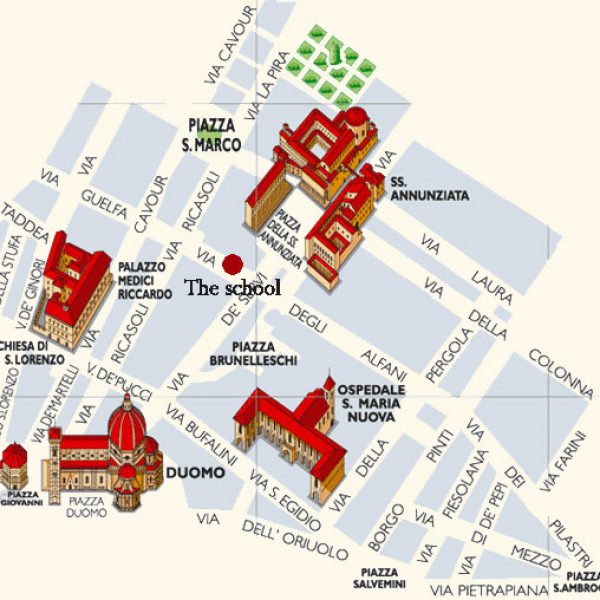
Location of the school
Italian culture courses in Florence - Italian art history, Italian cooking, drawing and painting courses at the Galilei Institute.
Italian culture courses in Florence: Italian cooking, art and culture
About our Italian culture courses
Our Italian culture courses have a practical teaching approach, which allows the students to learn and experience some of the most famous aspects of Italian culture first-hand.
The courses of Italian culture, art and cooking are offered as one-to-one and small group courses with 3-4 participants per class. All programs are personalized and give good results also in only a few days of lessons.
Please find following a short description of our culture courses:
Italian Cooking courses
For whom not only loves eating Italian food, but would also like to know how to prepare it, we offer high quality cooking courses held in some of the best restaurants in Florence. Professional chefs introduce beginners to the Italian cuisine and reveal amateurs and foreign cooks the secrets of it.
Art history courses
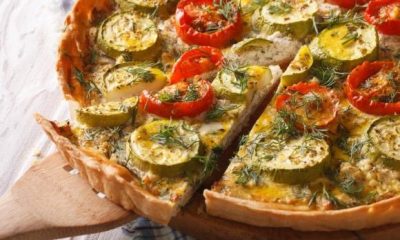
Among the more requested Italian culture courses you can find our art history courses, that are held in great part directly on sight, in the museums, churches and places, where the art works studied are located to permit to experience the great masterpieces first-hand. The art history courses are adapted for beginners who are simply curious to know more about the famous Renaissance art than it is written in a guide, as well as for advanced students, for whom the program will go in-depth treating more specif aspects of the rich art history in Florence.
Italian literature courses
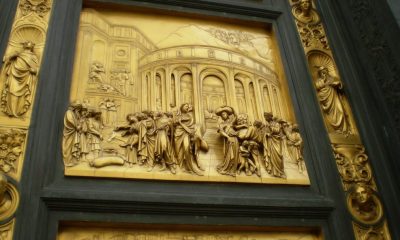
For whom love Italian literature and for students who need to study for their exams, we offer our Italian literature courses divided in historical periods with personalized programs according to each participant’s interest and needs.
According to the program chosen, the courses can be integrated with guided visits in very famous or not very known places of Florence.
Courses in the history of Florence
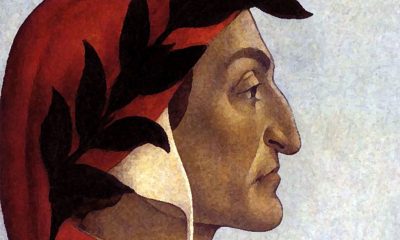
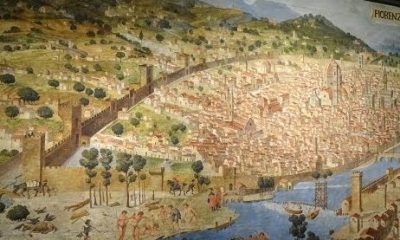
Florence is today one of the most famous places in the world. But already in the past it was one of the most important towns in Europe, where many famous artists, scientists, writers and popes lived. These Italian culture courses will reveal you the past of Florence presenting you its citizens, their habits, customs and way of living.
Courses in italian music history
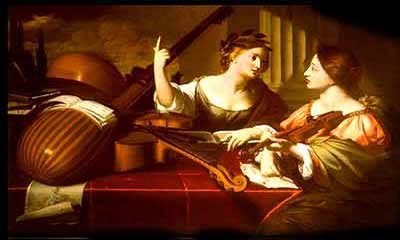
Gain a deeper appreciation for the cultural significance of Italian music and explore the diverse influential composers that have shaped Italy’s musical landscape! By enrolling in this course, you will have the opportunity to discover the fascinating stories behind iconic compositions, understand the societal and historical context in which they emerged, and develop a profound understanding of how Italian music has left an indelible mark on the global stage. Whether you are an avid music enthusiast, a student of Italian culture, or simply someone seeking to broaden your knowledge, this course promises to be an enlightening and enriching experience. Join us in unlocking the melodious secrets of Italian music and unravel the captivating tales woven into its melodies.
Drawing & painting courses
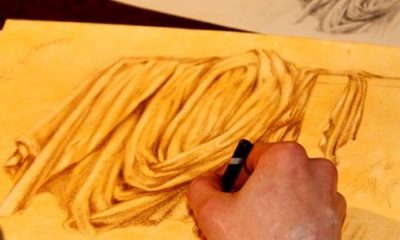
Drawing and painting courses for all levels. Study in the art studio under an experienced artist the aspects of drawing / painting you always wanted to know/deepen. Beginners are introduced to the world of signs and colours, amateurs and art lovers are encouraged to develop a personal style and way of expression.
BATIK lessons
Why a person may be interested in Batik lessons?
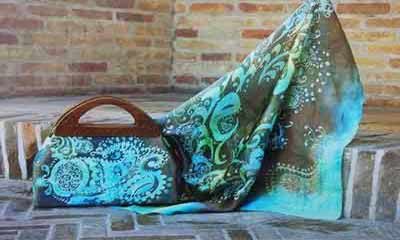
Batik is a beautiful and intricate art form that allows individuals to express their creativity and artistic abilities.
Learning the skill of batik can be a fulfilling and rewarding experience, as it offers the opportunity to create unique and personalized pieces of art.The appeal of batik lessons is multifaceted, offering a blend of creative, cultural, and practical benefits to those who are interested in learning this traditional art form.
Program of guided tours and visits to the museums and churches of Florence
Experience the beauties of Florence under the guidance of one of our art history teachers, joining one of the cycles of 3 guided visits. On a one-to-one bases or for self-composed groups it is possible to organize these Italian culture courses also as single visits.
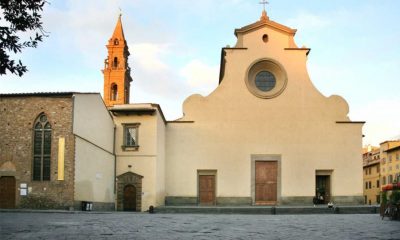
Photography course
“Carpe Diem” Seize the moment, that unique and unrepeatable moment, quick as a click but which can last forever. Let our photography teachers lead you to discover the treasures of Florence through this photography course which will give you the opportunity to everyone, from beginners to experts, to learn and improve their knowledge of the camera and of photographic production. The course takes place mainly outdoors and can be combined with an historical or artistic course, so to experience Florence at 360 °.
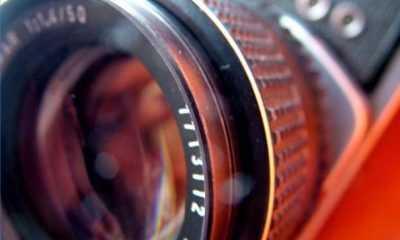
VIDEOGRAPHY course
The videography courses are open to anyone who has an interest in learning about video production, filming, editing and related techniques. Whether you are a beginner looking to explore the world of videography or a more experienced individual seeking to enhance your skills, the courses welcome individuals of all levels. Additionally, those with a passion for visual storytelling, film-making, and creating engaging video content are also encouraged to enroll in the videography courses.

Wine tasting tours in Tuscany
Wine tours for self-form groups of min. 2 participants. These Italian culture courses consist in guided full-day excursions into the Tuscan wineyards. Enjoy the famous Italian wines – Brunello di Montalcino, Chianti Classico, Sangiovese vines, etc. – with our wine experts visiting the wine cellars and learning the secrets of why these wines are so tasty.
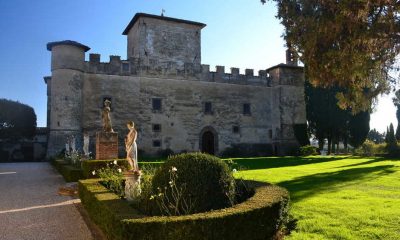
Excursions in Tuscany and Italy
Personalized itineraries to the most beautiful places of Tuscany and Italy for all those who wish to have a private guide at their full disposal. The excursions, as well as all our Italian culture courses, can be organized in English, Italian, French and Spanish.
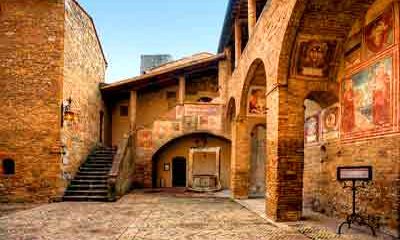
All our Italian culture courses can be joined by anyone. No particular requirements nor enrolment in our Italian courses are requested to participate in any of them.
1 hour = 60 minutes
At our school each lesson hour lasts 60 minutes. In many other schools the lesson hour lasts 45 or 50 minutes and the prices of their courses, apparently lower, are actually higher of 25% (or 20%) of those written on their brochure.
...or send a personalized question
You may also be interested
You may also be interested in our Italian language courses. We also remind you that our individual Italian courses are aimed at all those who wish to immerse themselves in an intensive study; italian business courses are also available as well as Italian courses during the weekend and Italian language courses online.